I came across this error when I was trying to make a custom validator in Flask-Admin with wtforms form objects.
This code didn’t work:
deflocation_must_not_conflict(form,field):ifEvent.query.filter(Event.location==form.location).first():raisewtforms.validators.ValidationError('Location conflicts with another request for the same venue.')
Because I was using form.location and not form.location.data.
This will work:
deflocation_must_not_conflict(form,field):ifEvent.query.filter(Event.location==form.location.data).first():raisewtforms.validators.ValidationError('Location conflicts with another request for the same venue.')
Those do a lot of the work of starting a new Flask project for you.
With cookiecutter flask, all you need to do to build a new project is: cookiecutter https://github.com/sloria/cookiecutter-flask.git
As a warning, cookiecutter flask and overholt include a lot of stuff. I ended up not using it because it was too much work to change everything to work with oAuth.
I created an app that allows you to upload a pdf and it returns a copy of your PDF with the page order reversed. The code is here: https://github.com/pawl/pdfreverse
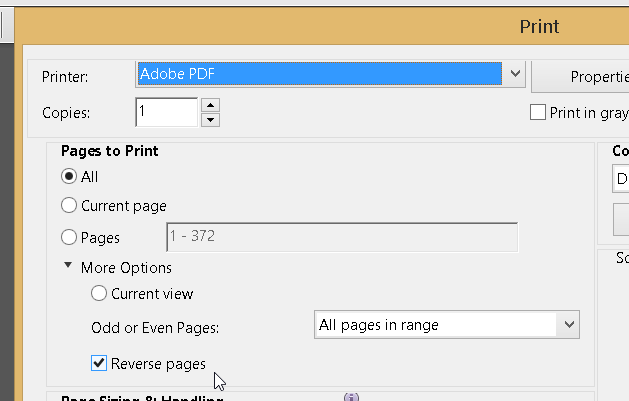
Initially when I googled how to do this in Adobe Acrobat, the first few results had fairly complicated solutions. After I made the app, I ended up finding an easier way to do it in Adobe (in the 6th from the top Google result on “reverse pdf order acrobat”…):
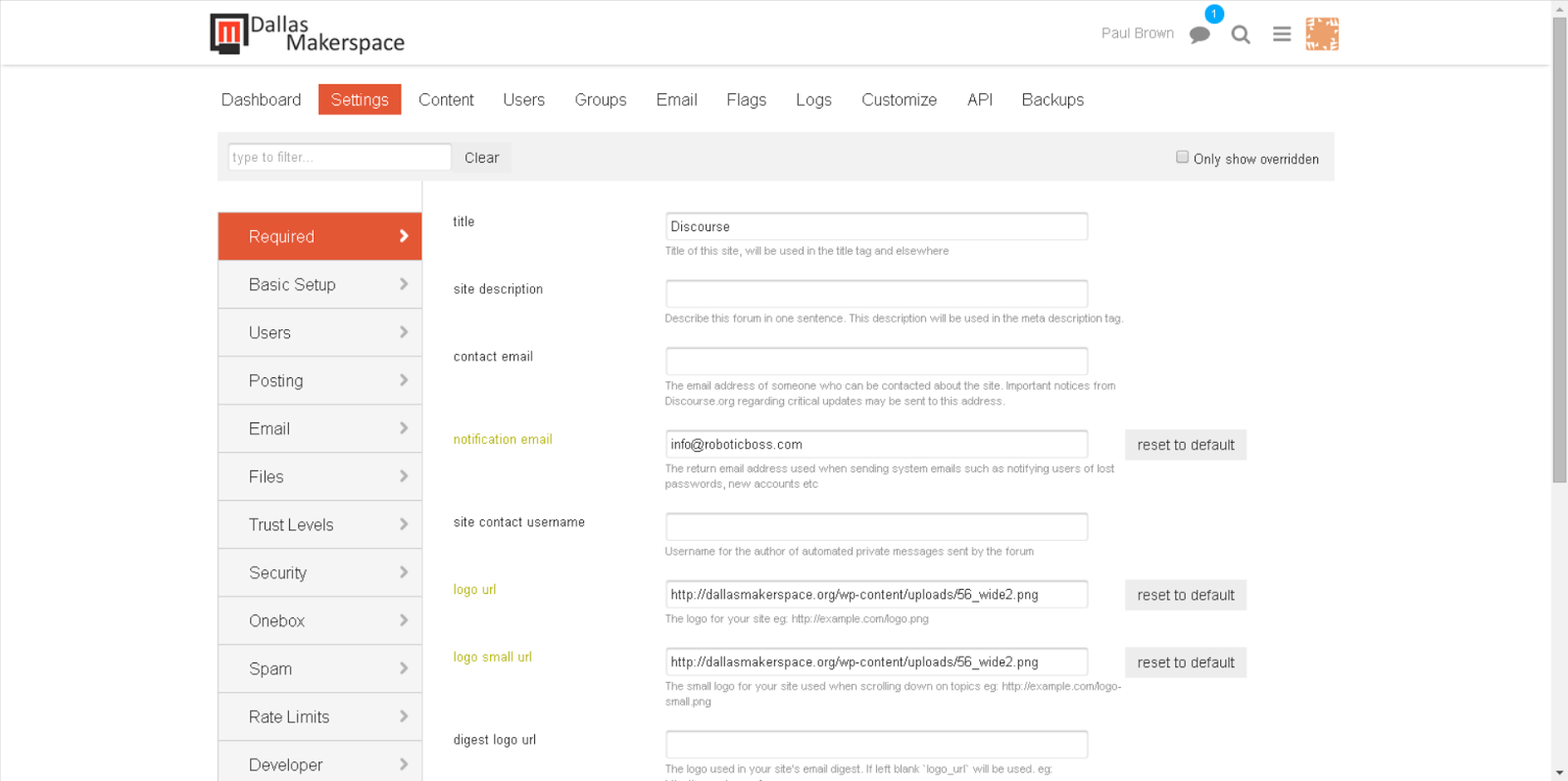
While tested out Discourse, I only found a few negative things:
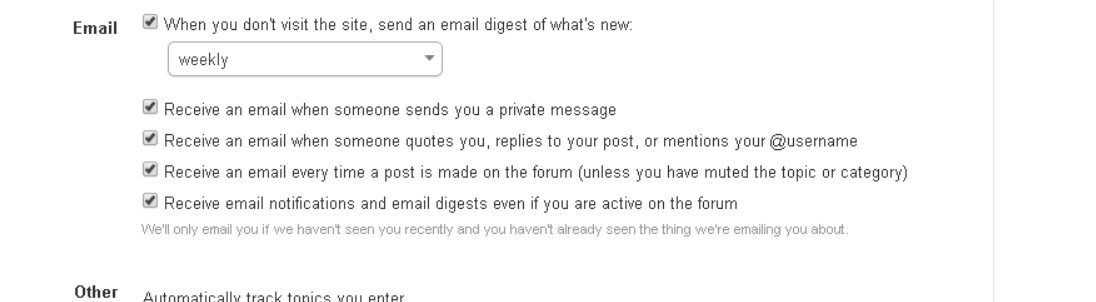
To make it act like a mailing list, it currently requires each user to change settings on their account: Discourse mailing list mode I commented on a thread about a new feature that allows setting defaults for this: https://meta.discourse.org/t/default-email-settings-for-a-new-user/14980 Updated: the guide Discourse originally shipped for this (docs/MAILING-LIST-SETUP.md in their repo) has since been removed, so this links to their current mailing list mode doc instead.
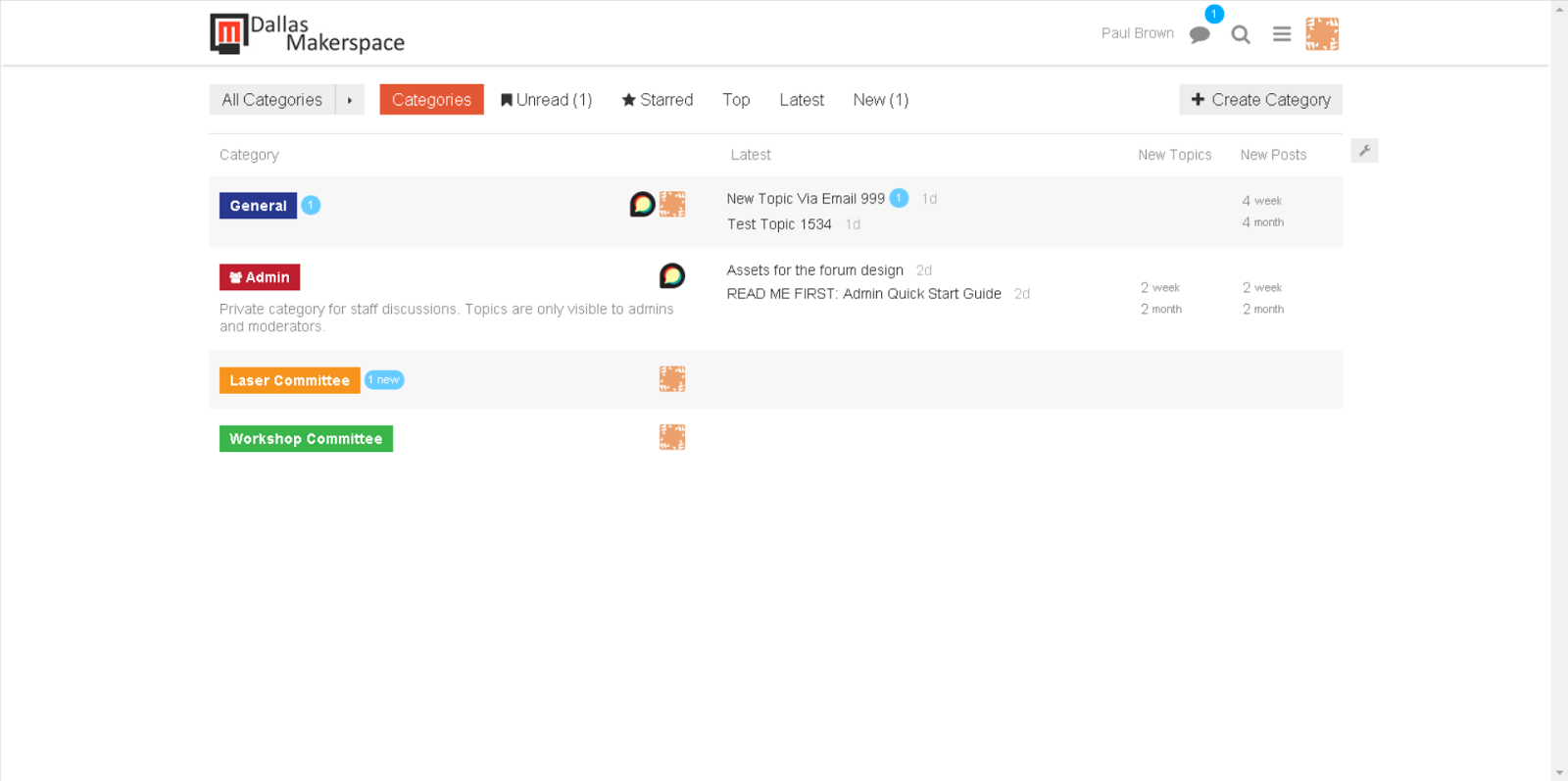
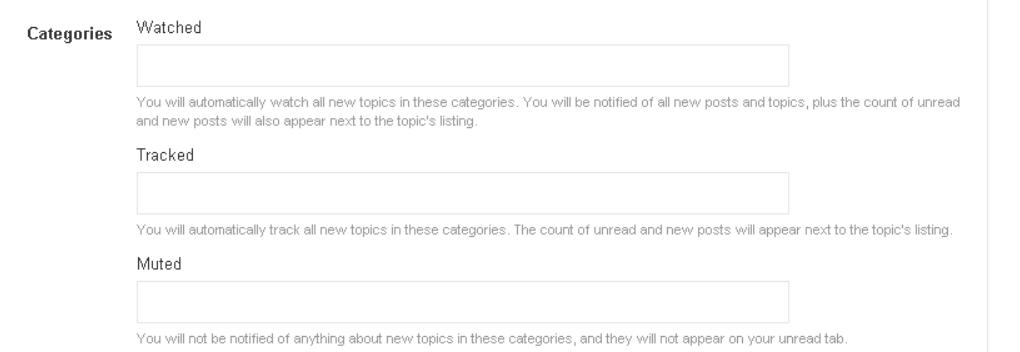
It doesn’t allow setting defaults for which categories the user has “Watched”. For example, I would want to default the “General” list to “Watched”, but more obscure lists would only be watched if the user chooses to.
It uses a different e-mail address for each e-mail it sends you (this is to keep track of which thread it belongs to), here’s an example of a “From” address: testdiscourse+43854630fb3a3d9492505fa5a23db196@gmail.com Google Groups always has the same to/from e-mail address and magically figures this out. This might be weird in some peoples’ email clients.
As a forum, this beats the crap out of PhpBB, but as a mailing list it’s not a clear winner over Google Groups yet. It’s open source, has a better web interface, and the “Categories” are a cool feature for keeping all the lists in the same place. But, the “email in” functionality was too recently implemented, and it might take a few months before it’s as polished as Google Groups.
It’s going to be a very tempting replacement if they add default settings for user preferences.
I was getting this error when trying to connect to a sybase database using Microsoft’s odbc driver by using the connection string shown in the SqlAlchemy examples:
DBAPIError: (Error) ('IM002', '[IM002] [Microsoft][ODBC Driver Manager] Data source name not found and no default driver specified (0) (SQLDriverConnect)') None None
I was getting this error message because docker was refusing to start: Cannot connect to the Docker daemon. Is ‘docker -d’ running on this host?
This issue was occurring because my kernel was refusing to upgrade, because I was on a VPS. (you need to get your VPS provider to upgrade it for you)
Run uname -r, if it returns something like this: 2.6.32-042stab084.20 That’s probably the reason why docker isn’t starting. Your kernel isn’t compatible.